
The European peptide market rewards careful buyers and punishes careless ones. For every supplier providing genuine analytical documentation, several others operate on little more than confident product pages and prices designed to attract attention. The difference between the two rarely announces itself, which is why researchers need a method for telling them apart. This article sets out how to recognise unverified suppliers, what warning signs deserve attention, and why choosing a CoA-backed brand like Molequa reduces the risks that make peptide procurement unnecessarily stressful.
Why Unverified Suppliers Thrive in This Market
Peptide buyers often cannot inspect products before purchase, cannot easily test materials themselves, and must rely on documentation that suppliers control. This information asymmetry creates ideal conditions for sellers who cut corners. Some resell materials they have never analysed, passing along the original manufacturer's claims without independent verification. Others fabricate or recycle certificates to satisfy buy research peptides EU who ask for paperwork. The absence of a single European regulator overseeing the research peptide trade leaves enforcement to buyers exercising their own judgement. Understanding this landscape is the first step toward avoiding its pitfalls.
The Documentation Test That Filters Most Problems
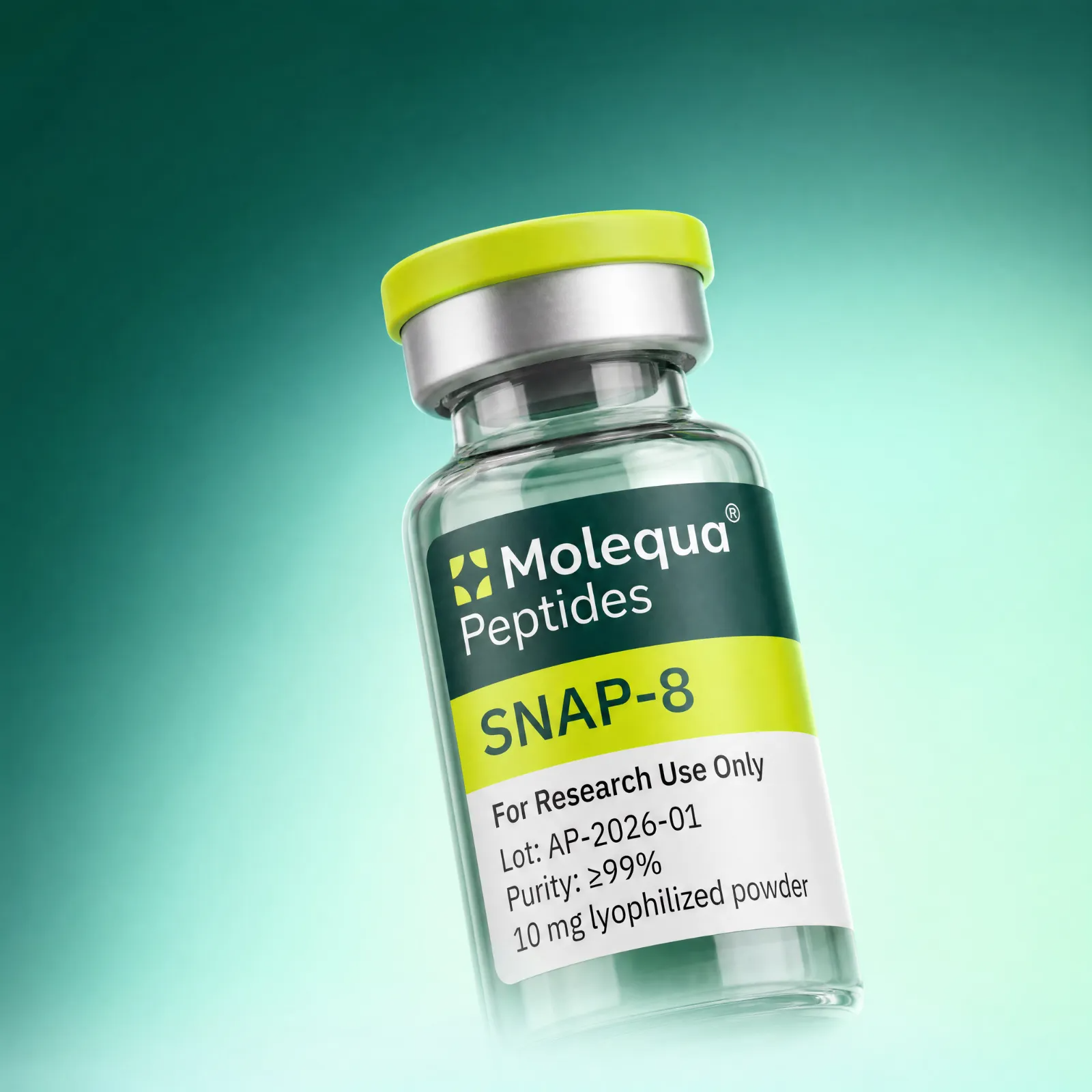
The simplest way to separate serious suppliers from unverified ones is to ask for batch-specific documentation before purchase. A genuine supplier will provide a certificate of analysis tied to the specific batch available, complete with chromatograms, mass spectrometry data, and the testing laboratory's identity. Molequa makes certificates accessible before checkout, which is the standard to look for. Suppliers who cannot produce such documentation, or who promise it only after payment, fail the test immediately. This single step eliminates a substantial share of unreliable sellers without requiring any technical expertise.
Signs That a Supplier Has Not Verified Its Stock
Unverified suppliers often reveal themselves through indirect clues. Prices far below market norms suggest corners being cut somewhere, most likely in testing or sourcing. Product pages that make sweeping purity claims without referencing analytical data raise questions. Missing company information, vague shipping terms, or a website with no physical address or contact details point to an operation with something to hide. Certificates that look identical across different products, or that name laboratories that cannot be located online, are among the clearest indicators that verification has not taken place. Molequa's documentation avoids these patterns by design.
Questions Worth Asking Before Any Purchase
Direct questions produce telling answers. Ask a supplier who performs its testing, whether every batch is analysed, and whether you can review a certificate for the batch you will receive. Ask where stock is held and how temperature-sensitive materials are shipped. Reputable suppliers answer these questions specifically and without hesitation. Molequa's documentation model means most answers can be found in the certificates themselves, but the willingness to engage still distinguishes reliable sellers from evasive ones. A supplier that treats reasonable questions as an inconvenience has told you something important.
Why Independence in Testing Changes the Picture
A certificate generated in-house carries limited weight, because the party selling the product also controls the verdict on its quality. Independent analysis removes this conflict by placing evaluation in the hands of a laboratory with no commercial stake in the outcome. Molequa commissions external testing for every batch, and its certificates identify the facility responsible. When evaluating any supplier, check whether the testing laboratory is named and whether it can be verified independently. A supplier unable or unwilling to identify its laboratory is asking buyers to trust a claim without evidence, which is precisely what unverified sellers depend upon.
The Practical Advantages of a CoA-Backed Brand
Choosing a brand that backs its products with documentation delivers benefits beyond reassurance. Certificates allow comparison between batches, support reproducibility by recording what was used, and provide defensible evidence if sourcing decisions are questioned. Molequa's batch-specific records make these advantages available as a matter of routine rather than special request. Researchers who select CoA-backed brands find that procurement becomes predictable and that time previously spent chasing paperwork can be redirected toward actual laboratory work.
Building a Reliable Supply Relationship
Avoiding unverified suppliers is easier than replacing a bad one mid-experiment. Once you find a supplier that provides genuine documentation, consistent quality, and dependable delivery, maintain the relationship and keep records of each transaction. Molequa's approach supports this kind of long-term arrangement, with per-batch certificates and EU-based fulfilment reducing the variables buyers must manage. The goal is not simply to avoid bad suppliers but to build a sourcing relationship stable enough to fade into the background, allowing attention to return where it belongs: the research itself.