
The selection between tandem and reversing cold rolling mill configurations represents one of the most significant decisions metal producers face when establishing or upgrading their processing capabilities. HiTo Engineering brings decades of specialized expertise to this critical evaluation, helping manufacturers understand the technical distinctions, operational implications, and economic considerations of each approach. Both designs transform hot-rolled steel into precision cold-rolled products, but they accomplish this through fundamentally different operational philosophies that make each suitable for specific production environments and business objectives. Through careful analysis of production requirements, material specifications, and strategic goals, HiTo provides manufacturers with data-driven recommendations that optimize both operational efficiency and return on investment.
Fundamental Operational Principles and Material Flow
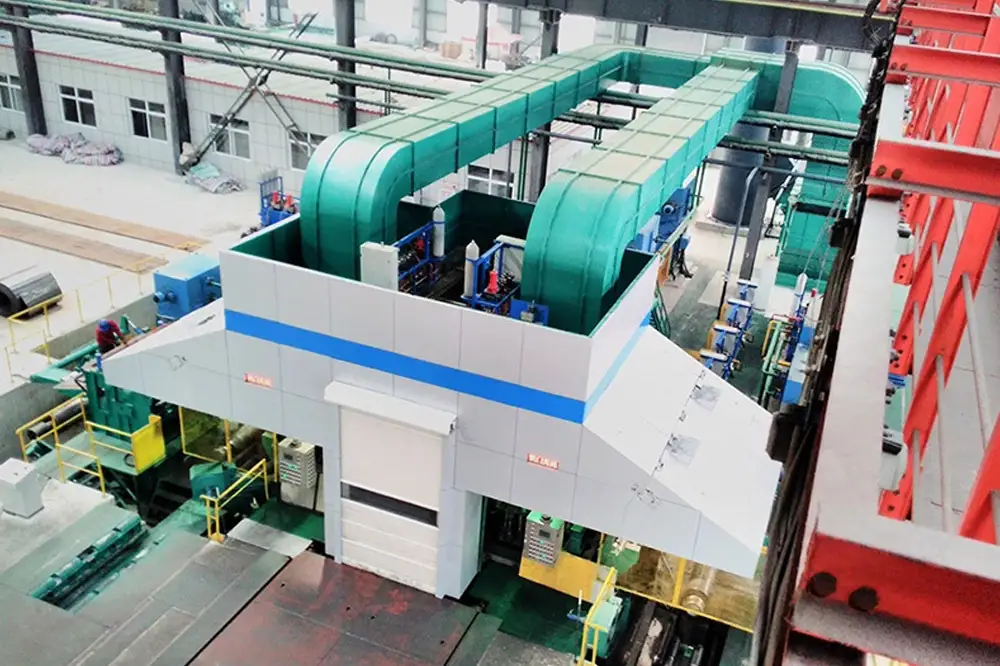
The most fundamental distinction between tandem and reversing mills lies in their material handling approach and processing methodology. Tandem mills consist of multiple rolling stands arranged in sequence, through which the strip passes in a single continuous direction, receiving incremental reduction at each station. This continuous processing allows for exceptionally high production speeds and volumes, making tandem configurations ideal for high-throughput operations. In contrast, reversing mills utilize a single stand (or occasionally two stands) through which the material passes back and forth multiple times, with reductions applied during each pass. This bidirectional approach provides greater flexibility for processing smaller batches and changing specifications but operates at significantly lower overall production speeds. HiTo Engineering carefully analyzes a producer's material flow requirements to determine which approach best aligns with their operational philosophy and production targets.
Production Volume and Throughput Considerations
When evaluating mill configurations, production volume requirements often serve as the primary deciding factor between tandem and reversing designs. Tandem mills excel in high-volume environments where continuous processing of large coils (frequently exceeding 200,000 tons annually) justifies the substantial capital investment and fixed configuration. Their design allows for production speeds reaching 2,500 meters per minute, enabling manufacturers to achieve economies of scale that smaller operations cannot match. Reversing mills, while significantly slower, offer production flexibility that makes them ideal for manufacturers processing smaller batches (typically under 50,000 tons annually) or frequently changing product specifications. HiTo Engineering's analysis always includes detailed production forecasting to ensure the selected mill configuration matches both current and anticipated future volume requirements without creating operational bottlenecks or underutilized capacity.
Product Quality and Precision Capabilities
Both mill types can produce high-quality cold-rolled products, but they achieve this through different technical approaches that yield distinct advantages. Tandem mills, with their specialized stands dedicated to specific functions (roughing, intermediate, finishing), can achieve exceptional gauge consistency and surface quality at high speeds due to distributed reduction across multiple stands. The stability of continuous processing often results in more uniform mechanical properties throughout the coil length. Reversing mills offer distinct advantages for certain specialized applications, particularly when processing high-strength materials or achieving extreme thickness reductions. The multiple passes allow for intermediate annealing when necessary, and the slower process enables better control for challenging materials. HiTo Engineering evaluates the specific quality parameters most critical to each operation—whether surface finish, gauge consistency, or mechanical properties—to recommend the configuration that will deliver the required product characteristics.
Flexibility and Changeover Capabilities
Operational flexibility represents another crucial differentiator between these mill designs, with significant implications for manufacturers serving diverse markets or producing specialized products. Reversing mills offer superior flexibility, allowing quick changes between different materials, widths, and thicknesses with minimal downtime. This adaptability makes them ideal for job shops and specialty producers who must frequently adjust to customer-specific requirements. Tandem mills, once configured for a specific product range, require substantial time and effort to change over between significantly different specifications. However, modern tandem mills have incorporated greater flexibility through quick-change roll systems and advanced automation that reduces changeover times. HiTo Engineering helps manufacturers honestly assess their need for operational flexibility against the efficiency advantages of dedicated high-volume production, ensuring the selected configuration matches both current and anticipated product diversity.
Space Requirements and Facility Considerations
The physical footprint of cold rolling mill significantly impacts facility design, material handling logistics, and overall operational efficiency—factors where these two configurations differ substantially. Tandem mills require considerable linear space to accommodate multiple stands, tension reels, and extensive material handling equipment, often extending several hundred meters in length. This spatial requirement necessitates large, purpose-built facilities with sophisticated material flow systems. Reversing mills, by comparison, have a much more compact footprint since they utilize the same space repeatedly for multiple passes. This compact design makes them suitable for facilities with spatial constraints or for operations looking to add rolling capacity within existing buildings. HiTo Engineering's facility assessment includes detailed layout planning that considers not only the mill itself but also auxiliary equipment, maintenance access, and material flow to ensure optimal operational efficiency within available space constraints.
Capital Investment and Operational Economics
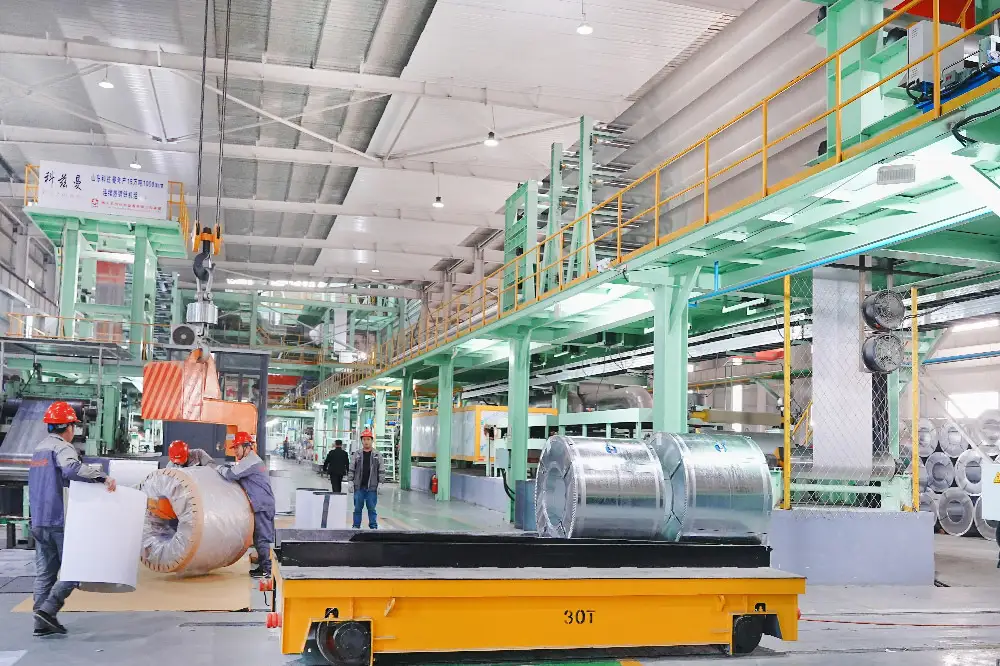
The financial considerations between tandem and reversing mill configurations extend far beyond initial equipment costs to encompass complete lifecycle economics. Tandem mills require substantially higher capital investment due to their multiple stands, sophisticated coordination systems, and extensive auxiliary equipment. However, this investment can be justified through significantly lower per-ton production costs at high volumes, creating favorable economics for large-scale operations. Reversing mills present lower initial capital requirements and can be economically viable at smaller production volumes, though their per-ton costs typically remain higher due to slower production speeds. HiTo Engineering conducts comprehensive economic modeling that factors in capital costs, operating expenses, maintenance requirements, and anticipated production volumes to provide clear financial analysis supporting the configuration decision.
HiTo Engineering's Configuration Recommendation Process
HiTo Engineering has developed a structured methodology for recommending the optimal mill configuration based on a comprehensive assessment of technical requirements, operational constraints, and business objectives. Their process begins with detailed analysis of the product mix, including materials, thickness ranges, width specifications, and quality requirements. They evaluate production volumes, batch sizes, and changeover frequency to determine throughput needs and flexibility requirements. Facility constraints, including available space, utility capacities, and material handling infrastructure, are carefully assessed. Perhaps most importantly, HiTo analyzes the strategic direction of the business to ensure the selected configuration supports both current needs and future growth plans. This holistic approach results in recommendations that balance technical capabilities with economic reality, ensuring manufacturers invest in mill configurations that deliver optimal return on investment throughout their operational lifespan.