
Introducing EPS Insulation
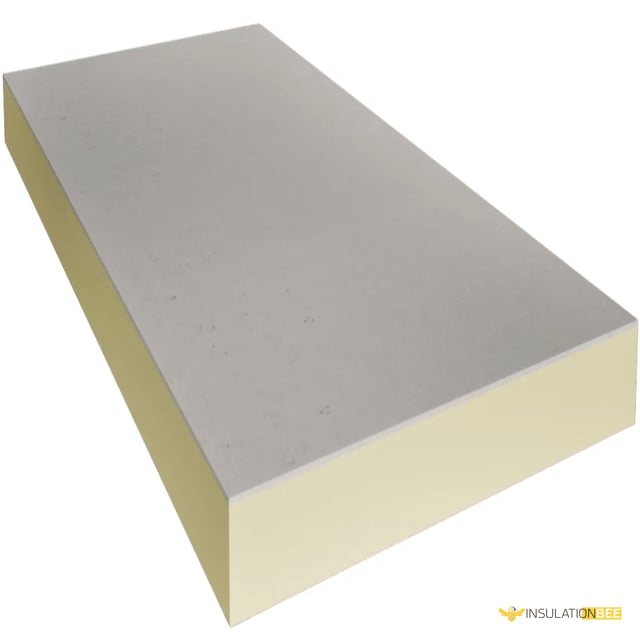
Expanded polystyrene, or EPS, is one of the most widely used insulation materials in construction. It is made by expanding polystyrene beads and moulding them into lightweight, rigid boards. EPS is valued for its cost-effectiveness, versatility, and reliable thermal performance. It is used in floors, walls, roofs, and external wall insulation systems across residential and commercial projects. Insulation Bee offers a selection of EPS boards suited to various applications, helping customers achieve effective insulation while managing project budgets carefully.
Cost-Effective Performance
One of the biggest advantages of EPS is its affordability. It provides useful thermal insulation at a lower cost than some alternative rigid boards, making it attractive for large areas or budget-conscious projects. While EPS generally requires greater thickness than PIR to achieve the same U-value, it remains an economical solution where space allows. For floors, external walls, and other applications where depth is less restricted, EPS offers excellent value without compromising on effective thermal performance.
Versatile Applications
EPS insulation boards can be used in many parts of a building. In ground floors, they are installed beneath screeds or slabs. In external wall insulation systems, EPS is commonly used behind render to insulate solid walls from the outside. EPS is also used in cavity walls, flat roofs, and as void fill. Some EPS products are enhanced with graphite, which improves thermal performance compared with standard white EPS. This range of applications makes EPS a flexible choice for many construction scenarios.
Grades and Strength
EPS is available in different grades, often described by compressive strength ratings. Higher-grade boards are denser and better suited to applications where loads are greater, such as floors in commercial spaces. Lower grades may be suitable for walls or areas with minimal loading. Choosing the correct grade ensures boards perform reliably under expected conditions without unnecessary cost. Manufacturer data sheets provide details on strength and thermal properties, helping customers select the right EPS product for each part of their project.
Lightweight and Easy to Work With
EPS boards are very lightweight, making them easy to transport, handle, and install. They can be cut cleanly with standard tools or hot wire cutters, allowing precise fitting around obstacles and edges. Their low weight reduces strain on installers and simplifies work at height. EPS is also resistant to rot and does not provide nutritional value for mould growth. These practical benefits contribute to faster installation and lower labour costs, making EPS popular with both professional builders and DIY enthusiasts.
Environmental Considerations
EPS consists largely of air trapped within its cellular structure, meaning relatively little raw material is used per board. It is durable and maintains its thermal performance over the long term. Many EPS products can be recycled, and some manufacturers incorporate recycled content. By reducing heat loss, EPS insulation helps lower energy consumption and carbon emissions throughout a building’s life. Choosing insulation with strong long-term performance supports more sustainable construction and contributes to reducing the environmental impact of buildings.
Choosing EPS for Your Project
EPS insulation boards offer a practical, cost-effective way to improve thermal performance in many building applications. With various grades, enhanced graphite options, and ease of handling, EPS suits a broad range of projects from floors to external walls. Insulation Bee offers EPS boards with clear specifications to help customers choose the right products. Whether you are working on a home extension or a commercial development, EPS provides reliable insulation that balances performance, durability, and value effectively.