
Walking into a textile testing facility for the first time can be overwhelming. Rows of machines hum, screens flash data, and technicians move between stations with purpose. But beneath the complexity lies a core set of essential equipment that every serious lab needs, whether you are testing upholstery fabrics for a local furniture maker or running quality control for an international apparel brand. Knowing what belongs on that essential list saves you from wasting money on niche gadgets you will never use while ensuring you do not overlook the workhorses that keep daily operations running. This is not about having the fanciest machines on the block. It is about having the right tools to answer the questions your customers and your production team actually ask.
A Reliable Universal Tensile Tester for Strength Measurements
If your budget allows for only one major piece of equipment, this is the one to buy. The universal tensile tester is the undisputed backbone of any textile testing facility because fabric strength touches nearly every purchasing decision. Customers want to know if a shirt will resist ripping under the arm. Engineers need data on whether a geotextile can handle being pulled across rocky ground. A good tensile tester measures breaking force, elongation at break, and sometimes seam strength or tear resistance with the right attachments. For most labs, a floor model with interchangeable grips and a capacity of around five kilonewtons handles everything from delicate lingerie fabrics to heavy canvas. Do not get lost in bells and whistles at the start. Focus on a machine with proven reliability and local service support, because a broken tensile tester brings your entire lab to a standstill faster than anything else.

A Martindale Abrasion Tester for Durability Checks
Fabric that falls apart after a few weeks of normal use creates angry customers and returned merchandise. The Martindale abrasion tester prevents that scenario by rubbing fabric samples in a figure-eight pattern against a standard abrasive surface. It counts the number of cycles until yarn breakage, unacceptable fuzzing, or a specified change in appearance. This machine is non-negotiable for anyone testing upholstery, workwear, automotive interiors, or any fabric that will see regular rubbing and sitting. Most essential labs need at least four test stations to run multiple samples simultaneously, and digital counters that stop each station independently when the endpoint is reached. A Martindale tester without reliable cycle counting is just a noisy box that wastes your time.
A Standard Light Cabinet for Color Evaluation
Color disagreements between mills, brands, and retailers cause more arguments than any other quality issue. A standard light cabinet brings everyone to the same page by providing controlled lighting environments that match international standards. These cabinets typically include daylight, cool white fluorescent, and ultraviolet light sources, along with a switch to toggle between them instantly. The viewing area should be painted neutral gray to prevent surrounding colors from influencing your perception. For labs that approve shade bands or investigate customer complaints about mismatched colors, a light cabinet is as essential as a ruler. You can have the most expensive spectrophotometer on the market, but you still need a light cabinet for visual assessments that mimic real-world retail and home lighting.
An Accurate Fabric Thickness Gauge
Thickness might seem like a minor property, but it affects shipping costs, thermal insulation, drape, and hand feel. An accurate thickness gauge applies a standard pressure to the fabric through a circular presser foot, then measures the distance between the foot and the anvil with a digital indicator. Essential models include interchangeable feet and weights to match different international standards, because testing heavy carpet requires different pressure than testing lightweight voile. Look for a gauge with a motorized lowering mechanism that prevents slamming the foot onto the fabric, which artificially compresses fluffy materials. This is one of those tools that costs relatively little but gets used constantly, so spending a bit more for a reliable digital readout and sturdy construction pays off every single day.
A Reliable Dimensional Stability Washing Machine
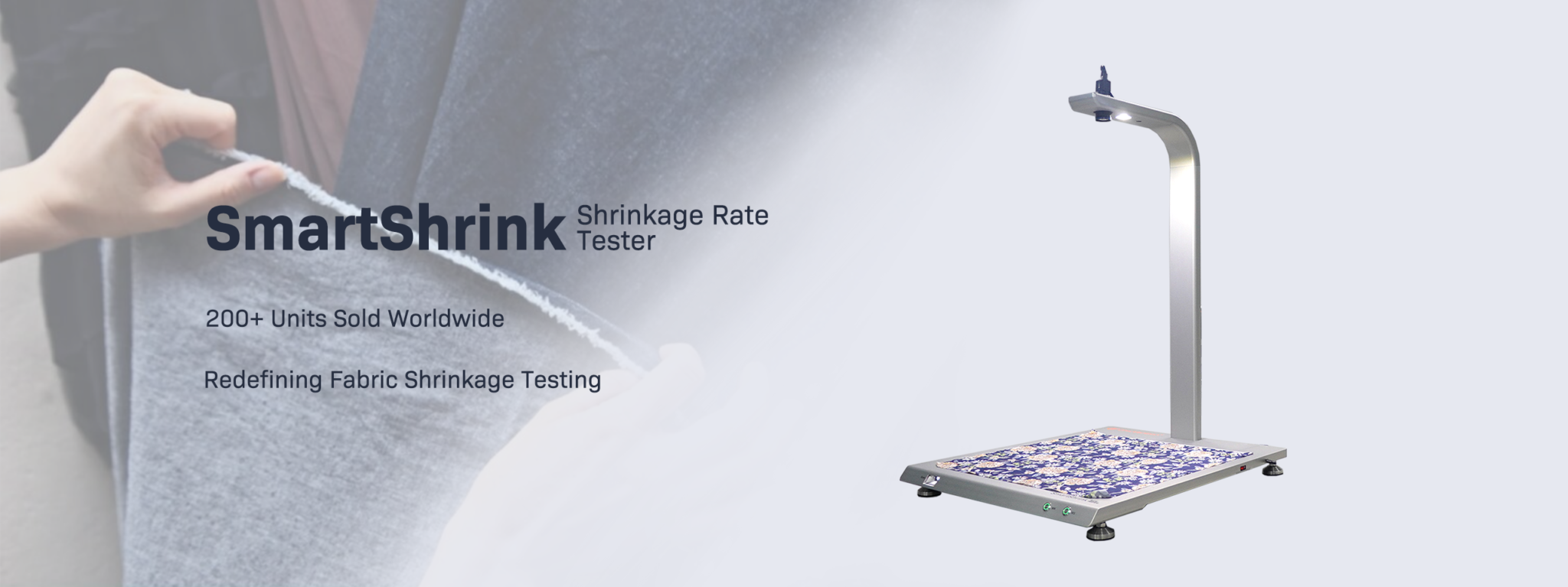
Nothing frustrates a customer faster than a shirt that shrinks two sizes after the first wash. Testing dimensional stability requires a laboratory washing machine that follows standard cycles exactly, not a household appliance that varies from load to load. Essential lab washers maintain precise water temperatures, fill levels, agitation speeds, and spin times. They are typically made of stainless steel to resist corrosion from repeated detergent use, and they include lint filters that capture fibers shed during washing. Pair this with a matching laboratory dryer or a standardized line-drying setup, and you have the core of a shrinkage testing program. For apparel manufacturers, this textile lab equipment list pays for itself the first time it catches a batch of unstable fabric before thousands of garments are cut and sewn.
A Basic Color Fastness to Light Tester
Sunlight fades fabrics unevenly and mercilessly. A basic color fastness to light tester exposes fabric samples to a controlled light source, typically a xenon arc lamp that simulates natural sunlight, then compares the faded samples against a blue wool standard. Even an entry-level model allows you to say with confidence whether a fabric will survive a summer of outdoor use or fade embarrassingly fast. For many labs, the essential version is a small benchtop unit with a single rotating rack that holds multiple samples, rather than a massive walk-in chamber. You do not need the most advanced model on day one, but you absolutely need some way to evaluate lightfastness if your fabrics will ever see the sun.
A Set of Precision Cutting Dies and a Press
Before any testing happens, you need to turn raw fabric rolls into standardized specimens. A clicker press or hydraulic cutting press with sharp, properly mounted cutting dies produces perfectly shaped samples every time, eliminating the ragged edges and size variations that ruin test results. Essential dies include rectangles for tensile testing, circles for burst and abrasion, and squares for color fastness and shrinkage. Dull dies crush fabric edges instead of cutting cleanly, so budget for regular sharpening or replacement. This equipment is not glamorous and rarely appears in glossy brochures, but ask any lab technician which tool they cannot live without, and the cutting press often tops the list. Without good specimen preparation, even million-dollar testers produce useless numbers.