
In the high-stakes world of pharmaceutical manufacturing, efficiency, purity, and safety are non-negotiable. A critical evolution meeting these demands is the integration of multiple process steps into a single, sophisticated vessel: the filter dryer crystallizer tank. This multifunctional unit is revolutionizing production lines by combining crystallization, filtration, and drying into one seamless operation. By consolidating these traditionally separate processes, it dramatically enhances product yield, safeguards purity, and streamlines the path from raw material to final active pharmaceutical ingredient (API).
The Anatomy of a Multifunctional Workhorse
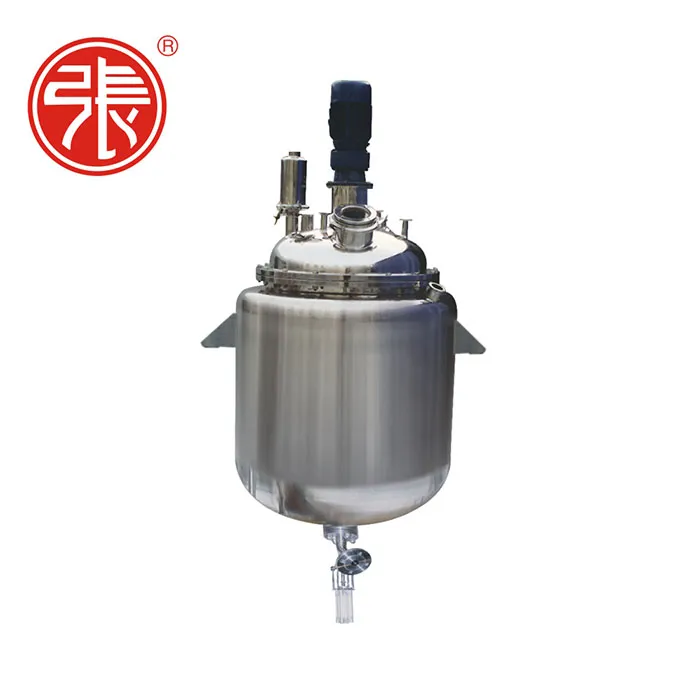
At first glance, this piece of equipment might appear as a complex stainless-steel tank, but its design is a marvel of integrated engineering. The vessel typically features a heated or jacketed wall to control the crystallization temperature, a robust filter element at its base—often a sintered metal or fine mesh filter—and an agitator that can adjust its function for each stage. During drying, the same agitator might gently lift and turn the product cake, while a vacuum system and heating capabilities are integrated to facilitate solvent removal. This all-in-one design eliminates the need for intermediate transfers, which is where the greatest risks of contamination, product loss, and operator exposure occur.
Crystallization: Laying the Foundation for Purity
The process begins with crystallization, the crucial step where dissolved API molecules form pure, uniform solid particles from a solution. Within the vessel, precise control over temperature, cooling rates, and agitation allows manufacturers to engineer crystals of a specific size and shape, known as the crystal habit. This control is paramount, as the physical properties of the crystals directly influence the final drug's efficacy, stability, and how it can be formulated into a tablet or capsule. A consistent crystal structure achieved here sets the stage for efficient downstream processing.
Filtration and Washing: Isolating and Purifying the Product
Once optimal crystals are formed, the next phase occurs without moving an inch. The mother liquor—the solvent containing impurities—is separated from the solid crystals through the integrated filter. The agitator can then be used to re-slurry the solid cake with a fresh, pure solvent for a washing cycle. This critical wash step dissolves and removes residual impurities trapped within the crystal cake. Performing this in the same vessel ensures no product is lost during a transfer to a separate filter, and it allows for multiple wash cycles if needed, guaranteeing the highest possible purity before drying begins.
The Drying Phase: Gentle Yet Effective Solvent Removal
With washing complete, the vessel seamlessly transitions to its dryer function. Applying heat through the jacket and a vacuum through the top, the remaining solvent is gently evaporated from the crystal cake. The agitator plays a key role here, slowly mixing the solids to expose new surfaces to the heat and vacuum, ensuring uniform drying without creating excessive dust or damaging the delicate crystal structures. This gentle, controlled environment is essential for heat-sensitive pharmaceuticals, preventing degradation that could compromise the drug's quality.
Tangible Benefits Driving Industry Adoption
The advantages of adopting this integrated technology are compelling. The most significant is the drastic reduction in handling; since the product never leaves the vessel until it is dry, the risk of contamination from the environment or cross-contamination from other products is minimized. This inherently improves operator safety by limiting exposure to potent compounds. Furthermore, eliminating transfer steps boosts overall yield, sometimes significantly, as material loss during manual handling is avoided. From an operational standpoint, it saves valuable floor space, reduces cleaning validation between equipment, and shortens batch cycle times.
Considerations for Implementation and Future Outlook
Implementing a filter dryer crystallizer tank requires careful planning. The initial capital investment is higher than for separate units, and the engineering complexity demands skilled personnel for operation and maintenance. The selection of construction materials and filter media must be compatible with a wide range of solvents and chemicals used throughout the combined process. Despite these considerations, the long-term benefits for product quality and operational efficiency are undeniable. As the pharmaceutical industry continues to prioritize continuous manufacturing and process intensification, these versatile vessels are poised to become a standard, underscoring a shift towards smarter, more integrated, and more reliable production paradigms.