
Walk into any workplace breakroom in Ireland, and you will see a colourful assortment of certificates pinned to the noticeboard. Some say “First Aid Safety Certificate.” Others say “First Aid Cert” or “QQI First Aid Response.” To the untrained eye, they might look interchangeable. But here is the problem: they are not the same. Using the wrong certificate for your role can leave you legally exposed, and worse, it can leave an injured person without proper care. Irish First Aid fields calls every week from confused employers and individuals who thought their “safety certificate” covered them, only to discover it did not meet official standards. So let me clear up this confusion once and for all. I will explain what each certificate actually means, where it is valid, and which one you genuinely need for your situation.
Defining the First Aid Safety Certificate
The term “First Aid Safety Certificate” is a bit of a loose cannon in the training world. It is not a standardised qualification with a national framework level. Instead, it is a name that some private training providers use for short, basic awareness courses. These courses typically last half a day and cover very limited content, often just CPR, choking, and maybe how to put on a bandage. The certificate you receive is valid only within the organisation that issued it, and it carries no external recognition from Quality and Qualifications Ireland or the Health and Safety Authority. Irish First Aid does offer a course that some might call a safety certificate, but they are very clear about its limits. It is suitable for someone who simply wants an introduction to first aid, like a teenager babysitting for neighbours or a volunteer at a community event. It is not suitable for a designated workplace first aider.
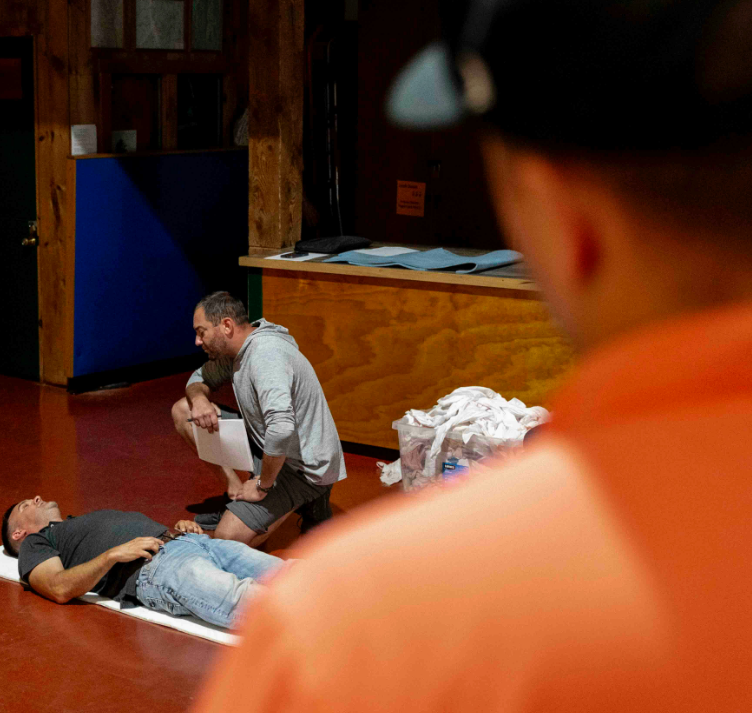
Understanding the Accredited First Aid Cert
An accredited First Aid Cert, on the other hand, means something substantial. When Irish First Aid talks about a proper First Aid Cert, they are usually referring to the QQI Level 5 First Aid Response (FAR) qualification. This is a nationally recognised award on the Irish National Framework of Qualifications. To earn it, you complete a minimum of two full days of training, pass a multiple-choice theory exam, and demonstrate your practical skills in a formal assessment. The certificate carries a QQI watermark, a unique learner number, and is accepted by the Health and Safety Authority as meeting the requirements for a workplace first aider. It is also transferable between employers. If you leave your current job and go to a new company, your QQI First Aid Cert is still valid. An unaccredited safety certificate usually is not.
Key Differences in Training Hours and Content
Let me put the numbers side by side so the gap becomes obvious. A basic First Aid Safety Certificate course often runs for just three to four hours. In that time, you might practice adult CPR, learn the recovery position, and see a brief demonstration on bleeding control. That is it. No paediatric skills. No medical emergencies like strokes or seizures. No use of an AED trainer. No assessment of an unconscious patient. An accredited QQI First Aid Cert course runs for at least fourteen to sixteen contact hours. You will cover adult, child, and infant CPR. You will learn the full patient assessment protocol. You will practice using an AED, controlling severe bleeding, immobilising fractures, managing burns, recognising heart attacks and strokes, handling diabetic emergencies, and responding to seizures. The depth is simply not comparable. Choosing a safety certificate over a full cert is like choosing a driving lesson over a driving test. One gives you a taste. The other proves you are ready.
Legal Recognition and Workplace Requirements
This is where the difference truly matters. Under Irish health and safety legislation, employers are required to provide “adequate and appropriate” first aid provision based on a risk assessment. For most workplaces with more than a handful of employees, the HSA interprets “adequate and appropriate” as having at least one person with a QQI Level 5 First Aid Response certificate. A generic safety certificate does not meet this standard. If an accident occurs and an inspector finds that your designated first aider only holds a half-day safety certificate, your employer could face fines, improvement notices, or even prosecution in serious cases. Irish First Aid advises all employers to check their certificates carefully. Look for the QQI logo, the credit value, and the unique certification number. If those elements are missing, you do not have a legally recognised first aider, regardless of what the fancy border on the paper suggests.

Which Certificate Is Right for Your Situation
Deciding between these two options comes down to three questions. First, what does your employer or regulator require? If you are responsible for workplace safety under the HSA, you need the full QQI First Aid Cert. End of discussion. Second, who are you likely to help? If you are a parent, a coach, a teacher, or anyone who spends time around children or vulnerable adults, the full cert gives you the skills you actually need. Third, how confident do you want to be? A safety certificate might make you feel better, but it will not prepare you for a real emergency where someone stops breathing or a child has a febrile seizure. Irish First Aid recommends the full accredited cert for anyone who wants to act effectively rather than just symbolically. The safety certificate is fine for absolute beginners or very low-risk environments, but do not confuse it with real qualification.
The Hidden Costs of Choosing the Wrong Certificate
Saving money on a cheaper, shorter safety certificate can feel like a smart decision at the moment. But there are hidden costs that only reveal themselves later. If you present a safety certificate to an employer who asked for a QQI First Aid Cert, you may not get the job or the promotion. If you act as a first aider with only a safety certificate and something goes wrong, your legal protection under the Good Samaritan laws may be weaker because you acted outside your recognised level of training. If your certificate expires or is questioned, you have no national framework to fall back on. Irish First Aid has seen people cry genuine tears of frustration when they realised their “first aid certificate” was worthless for their new job. Do not let that be you. Spend the extra day, pay the extra few euro, and get the real qualification. It is valid for two years, recognised everywhere in Ireland, and it might just save a life. A pretty piece of paper with no backing will not do any of those things.