
Ready meals occupy a peculiar place in the food market. They are expected to taste freshly prepared, survive months in a freezer or on a shelf, endure microwave heating, and still look appetising when the consumer peels back the lid. That combination of demands places enormous pressure on the packaging, and particularly on the thin foil that seals the tray. Not every foil is up to the task, which is why HARDVOGUE engineers high-barrier structures specifically for ready meal applications. Understanding what goes into these structures reveals why the lid on a ready meal is a more sophisticated piece of engineering than it appears.
The Unique Demands of Ready Meal Packaging
Ready meals differ from other packaged foods in the range of stresses they must survive. A chilled ready meal faces refrigeration and a relatively short shelf life, while a frozen version must withstand months at low temperature without the seal cracking. Ambient-stable ready meals, common in military and emergency rations, require barrier performance that can hold for a year or more. Some trays go directly from freezer to microwave, subjecting the packaging to extreme and rapid temperature change. HARDVOGUE designs high-barrier foils with these varied scenarios in mind, because a structure that works for one ready meal category may fail badly in another.
Why Standard Foil Is Not Always Enough
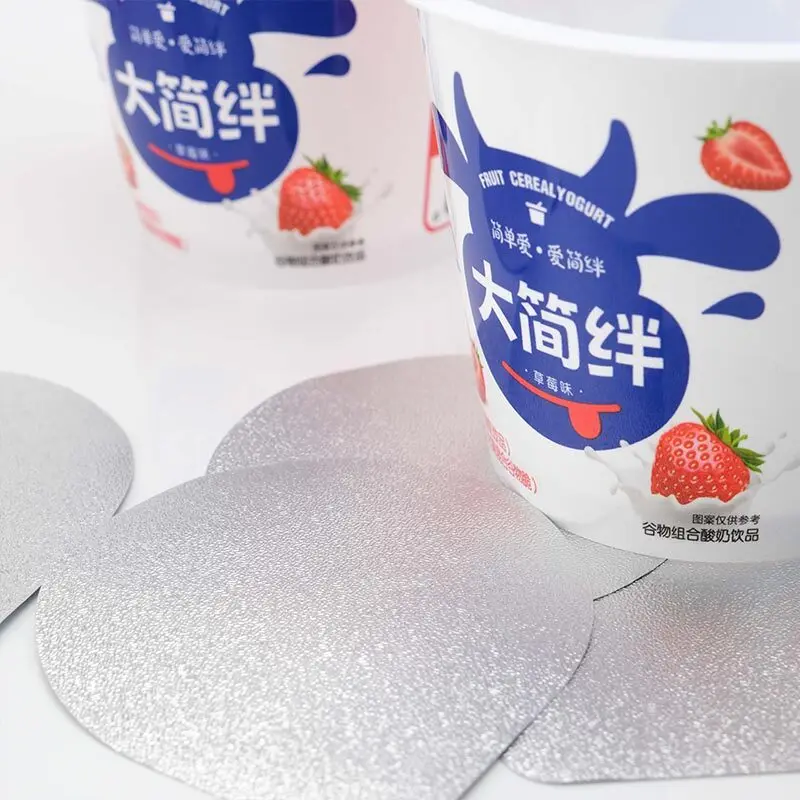
A basic lidding foil with a seal lacquer performs admirably on a yogurt cup, but ready meals often demand more. The trays are larger, meaning the foil spans a wider area and must resist flexing and sagging. The products inside may contain fats, sauces, and salts that attack seals over time. The shelf life is frequently longer than a chilled dairy product, raising the bar for barrier performance. HARDVOGUE's high-barrier structures address these factors through careful selection of foil gauge, lacquer chemistry, and additional functional layers where required, creating a lid that matches the severity of the application rather than falling short of it.
Building the High-Barrier Structure Layer by Layer
A high-barrier ready meal lid is rarely a single sheet of coated aluminium. HARDVOGUE assembles structures in which each layer contributes something specific. The aluminium core provides the absolute barrier against oxygen, moisture, and light. A seal lacquer on the underside bonds to the tray material, which may be CPET, polypropylene, or aluminium depending on the format. On top, protective coatings carry the print and shield the surface from abrasion. In some specifications, additional layers improve mechanical strength or puncture resistance, which matters when a fork or spoon presses against the lid during eating. This layered thinking is what distinguishes a high-barrier structure from a simple foil.
Compatibility With CPET and Other Tray Materials
Ready meal trays are most commonly made from CPET, a crystallised form of PET that tolerates both freezing and microwave heating. Sealing to CPET requires lacquers formulated for its particular surface behaviour, and the temperature window must accommodate the material's thermal characteristics. Polypropylene trays, increasingly popular for their microwave performance, present different requirements again, as do foil trays used in some premium and ambient formats. HARDVOGUE develops seal systems for each tray type and validates them under the conditions the finished meal will encounter, from blast freezing to reheating.
Withstanding Freezing, Chilling, and Microwave Heating
The thermal journey of a ready meal is unusually harsh, and the packaging must survive every stage. Freezing can make some lacquers brittle, causing seals to crack when trays are handled. Chilled storage is gentler but sustained, testing the seal's resistance to moisture over weeks. Microwave heating rapidly expands trapped gases and stresses the lid from within, and the foil must allow steam to escape or contain pressure depending on the pack design. HARDVOGUE tests high-barrier structures against these thermal cycles, confirming that seals hold, lids remain intact, and the product emerges from the microwave as intended.
Protecting Flavour and Texture Over Shelf Life
Consumers judge ready meals on taste and texture, and both are vulnerable to packaging failures. Oxygen oxidises fats and dulls flavours, while moisture migration can turn a crisp element soggy or dry out a sauce. The absolute barrier provided by aluminium lidding foil prevents both problems, but only if the full structure remains intact. HARDVOGUE validates high-barrier foils through shelf-life trials with real products, checking that flavour, aroma, and texture hold up over the intended storage period. For premium ready meals, where the price reflects an expectation of quality, this validation is essential rather than optional.
Working With HARDVOGUE on Ready Meal Solutions
Ready meal packaging is a field where generic answers rarely satisfy, and HARDVOGUE approaches each project as a specific engineering problem. The company works with manufacturers to understand the product, the tray, the distribution chain, and the consumer's heating method, then develops a high-barrier structure that meets those demands. Samples and trials allow the specification to be proven before full production begins. The outcome is a lid that protects the meal through freezing or chilling, seals reliably to the tray, opens without difficulty, and delivers the eating experience the brand intended. That is what high-barrier structures for ready meals are ultimately for, and it is where HARDVOGUE's expertise makes a practical difference.