
Every year brings subtle shifts in how luxury retailers present fragrance, and 2026 is shaping up to be a year of meaningful change rather than fleeting novelty. Watching these shifts emerge across real projects gives a clearer picture than any trade show prediction. DG Display Showcase has completed enough installations in recent months to notice patterns forming, and those patterns reveal where perfume retail is heading. Some trends respond to new customer expectations, while others reflect advances in materials and lighting technology. Together they suggest a future where showcases work harder, feel warmer, and adapt more intelligently to the brands they serve.
Warmer Material Palettes Replace Cold Minimalism
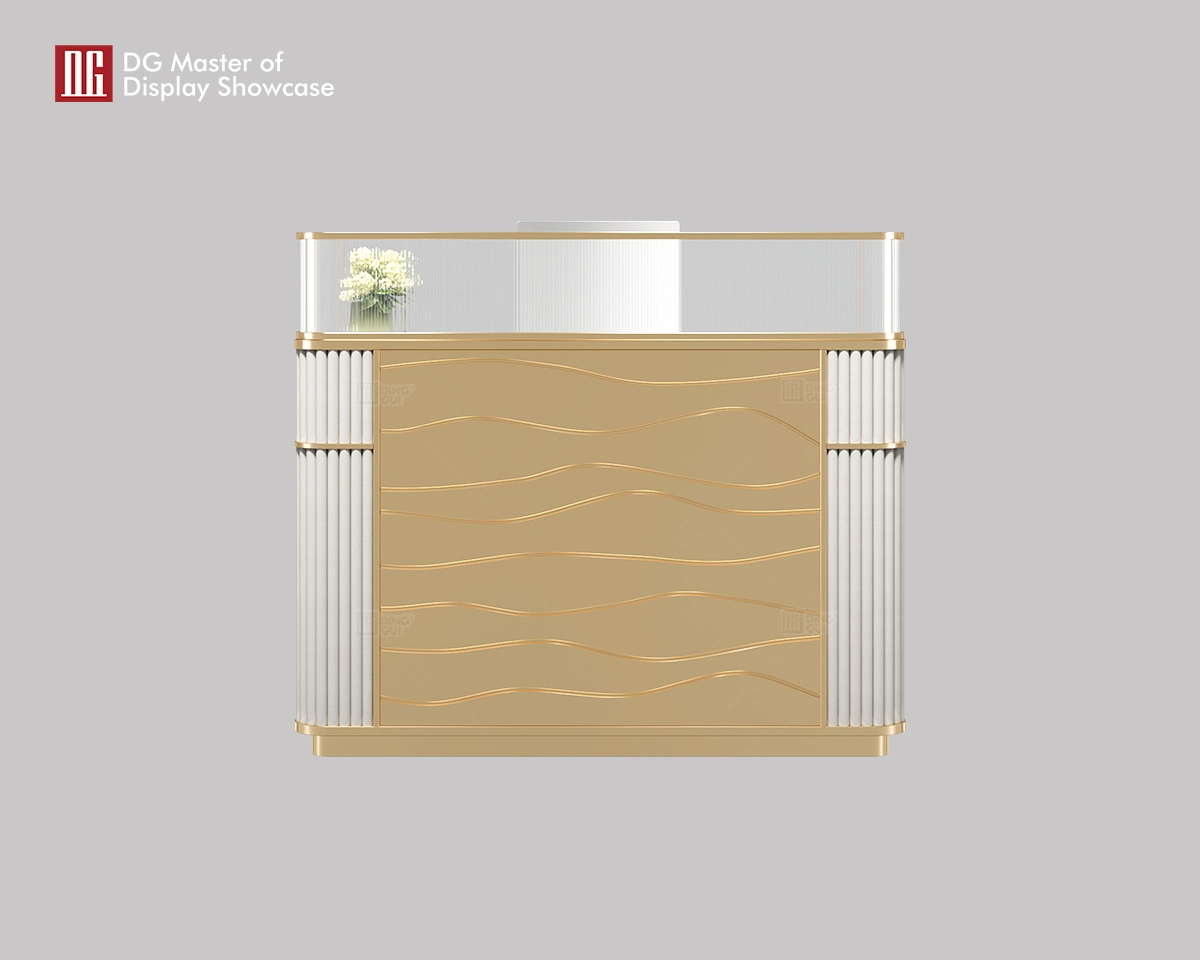
For several years, perfume showcase design leaned heavily toward white surfaces, chrome accents, and stark minimalism. That aesthetic is softening noticeably. DG Display Showcase projects in 2026 increasingly feature warm woods, brushed bronze, textured stone, and earthy neutrals that create a sense of comfort rather than clinical distance. Retailers have discovered that customers linger longer in spaces that feel inviting, and fragrance shopping is inherently sensory and emotional. The new palettes still read as luxurious, but they communicate approachability instead of aloofness. Expect to see fewer icy showrooms and more displays that feel like thoughtfully designed living spaces.
Sculptural Forms Become Part of the Brand Story
Showcases are no longer content to be neutral backdrops. Designers are experimenting with curved silhouettes, arched openings, and organic shapes that make the fixture itself a piece of architecture. DG Display Showcase has observed growing demand for units that could stand alone as design statements even without products on their shelves. These sculptural forms often echo the shape of a signature bottle or the curves found in the brand's packaging. When the showcase mirrors the product, the whole display feels intentional rather than assembled. This trend rewards brands willing to move beyond rectangular shelving, though it demands closer collaboration between designer and manufacturer to execute cleanly.
Layered Lighting Creates Depth and Drama
Flat, evenly lit displays are giving way to lighting with genuine depth. DG Display Showcase projects increasingly use multiple light layers, combining soft ambient washes with focused accent beams and subtle backlighting behind shelves. This layering creates shadows and highlights that give the display a three-dimensional quality, making bottles appear almost suspended in light. Tunable white LEDs allow stores to shift colour temperature throughout the day, warming the atmosphere in the evening and brightening it during peak hours. The technology has become more affordable, which means even smaller boutiques can now achieve effects once reserved for flagship locations. Depth, it turns out, sells better than flatness.
Interactive and Sensory Touches Deepen Engagement
Perfume has always been a sensory product, yet showcases traditionally engaged only the eyes. That is changing. New designs incorporate pull-out testing trays, hidden drawers with scent strips, and small integrated screens telling the story behind a fragrance. DG Display Showcase notes that these touches work best when they feel seamless rather than technological for its own sake. A drawer that glides open invites exploration; a flashing screen interrupts it. The guiding principle is hospitality, making the customer feel welcomed to touch, smell, and discover at their own pace. Physical interaction also reduces reliance on staff availability, which matters in understaffed retail environments.
Sustainability Influences Material Choices Quietly
Sustainability has moved from marketing slogan to practical consideration in showcase design. Brands are asking about responsibly sourced wood, recyclable metals, low-emission finishes, and lighting that consumes less energy. DG Display Showcase has responded by offering durable materials that extend a showcase's lifespan, since the greenest fixture is ultimately the one that does not need replacing every few years. Modular construction also supports sustainability by allowing partial updates rather than full rebuilds. Interestingly, customers rarely ask about these details directly, yet brands increasingly treat them as baseline requirements. Quiet responsibility, rather than loud eco-branding, characterises this trend.
Modular Systems Support Rapid Store Growth
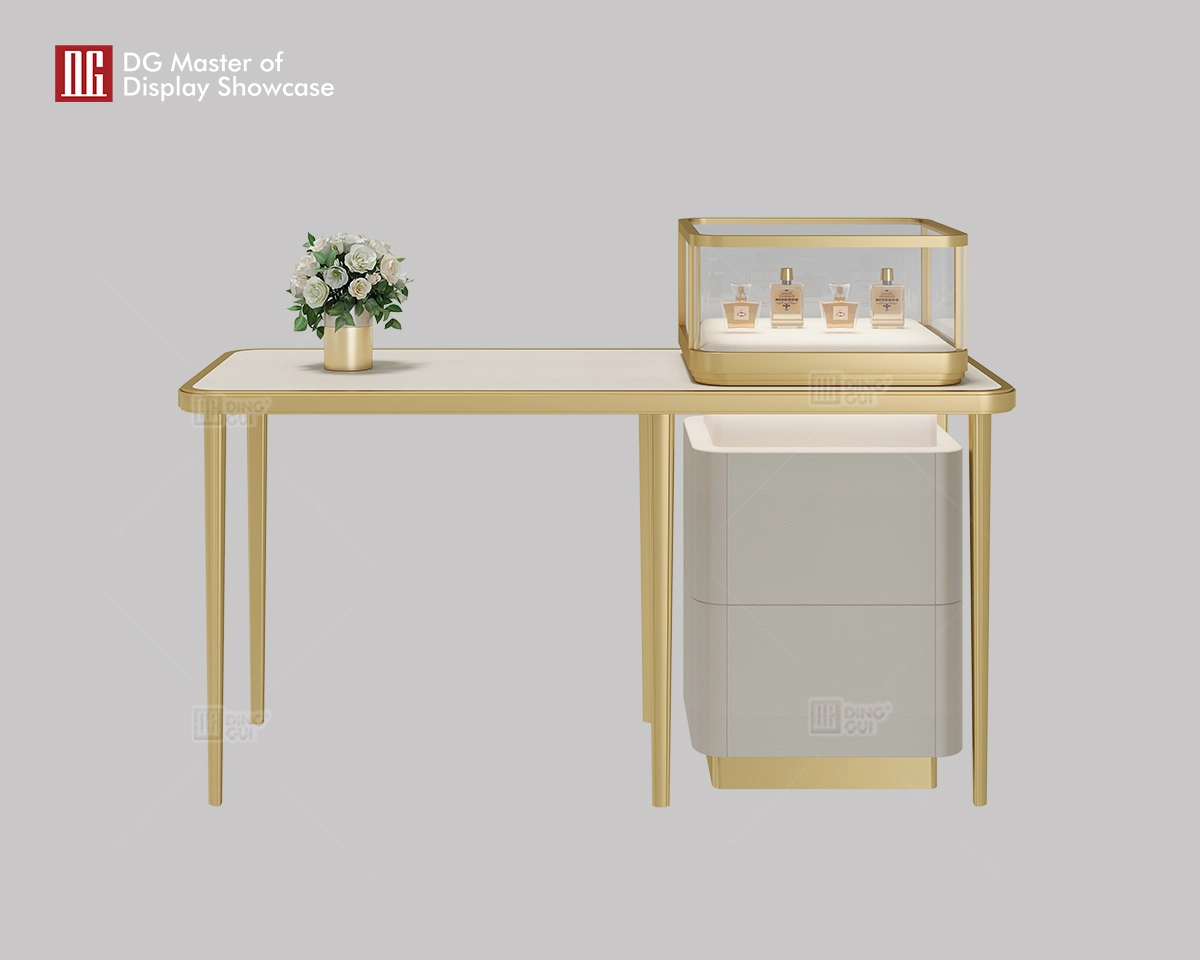
As fragrance brands expand into new markets, they need showcases that can be replicated quickly without losing quality. Modular systems allow core components to be standardised while finishes and dimensions adapt to different store footprints. DG Display Showcase has seen rising demand for designs that ship flat, assemble efficiently, and maintain precise consistency across locations. This approach reduces installation time and lowers shipping costs, which matters greatly for international rollouts. It also allows brands to refresh individual sections as collections change rather than replacing entire fixtures. Flexibility has become a design feature in its own right.
Personalisation Returns Through Small Details
Mass production once pushed displays toward uniformity, but 2026 is bringing personalisation back in subtle ways. Engraved nameplates, custom drawer linings, and bespoke hardware finishes allow a showcase to carry the brand's fingerprint without shouting. DG Display Showcase finds that these small details generate disproportionate emotional impact, because they signal care and attention that customers sense even if they cannot name. Limited editions can be highlighted with dedicated compartments that feel purpose-built. Personalisation at this scale remains affordable, making it accessible to niche brands as well as global houses. It is a reminder that luxury often lives in the smallest gestures.