
Let me be upfront about something many tour operators won’t tell you: conquering Mount Rinjani’s summit in just two days is not for the faint of heart. This compressed itinerary strips away the leisurely pace of longer treks and throws you straight into the deep end. You arrive in Lombok, start climbing within hours, sleep on a cold crater rim, and attempt the summit push before dawn of the second day. It is intense, exhausting, and absolutely thrilling for the right kind of traveler. The two-day package exists for adventurers with tight schedules, limited budgets, or a strange love for physical suffering. If you fit that description, this fast track might just be your perfect match.
Who This Two-Day Challenge Is Really For
The Rinjani Trekking 2 Days attracts a very specific breed of hiker. You should consider this option only if you already have solid hiking experience and can handle steep, sustained climbs without whining. This is not the trek for your friend who thinks a weekend stroll qualifies as training. It works beautifully for solo backpackers hopping between Indonesian islands who cannot spare three or four extra days. It also suits fit travelers who simply prefer moving fast over lounging at campsites. However, families with young children, absolute beginners, or anyone prone to altitude sickness should absolutely avoid the two-day version. Listen to your honest fitness assessment, not your ego. I have seen strong-looking climbers break down halfway up because two days simply did not give their bodies enough time to adjust.
The Brutal Hour-by-Hour Itinerary
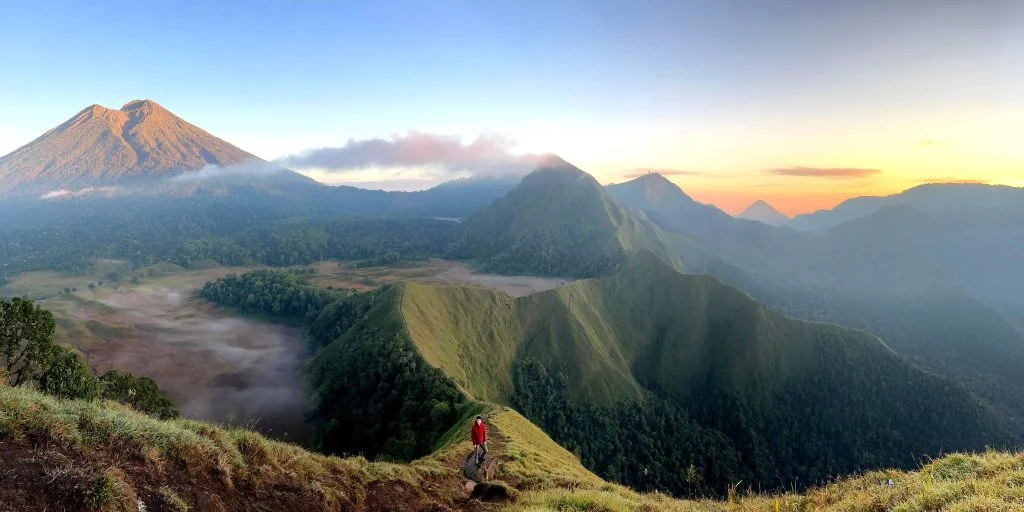
Most two-day treks follow the Sembalun route, and the schedule is merciless. You typically start around 7 AM from the village, signing paperwork and meeting your guide. The first four hours climb gently through savanna grasslands, which feels almost pleasant. Then the terrain turns into that infamous volcanic scree—loose, sliding, ankle-deep gravel that makes every step a battle. You reach the crater rim campsite by late afternoon, utterly drained. After a quick dinner, you crawl into your sleeping bag by 7 PM. The wake-up call comes at 1 AM. From there, you scramble two to three hours up the summit cone in darkness, reaching the top just as the sun paints the sky. Then you descend all the way back to the park gate, usually arriving around 4 PM completely wrecked. That is roughly ten hours of climbing on day one and another ten on day two.
What You Actually See on the Fast Track
Here is the honest trade-off with the two-day package. You absolutely reach the summit, which is the main goal for most climbers. The sunrise views over Segara Anak Lake and Mount Barujari are just as stunning as on longer treks. However, you miss almost everything else. You do not descend into the caldera to camp beside the lake. You do not soak in the natural hot springs. You do not have a relaxed second day exploring the crater floor. Your entire focus narrows to one thing: up and down as efficiently as possible. Some climbers feel completely satisfied with this summit-or-bust approach. Others reach the top, look down at the turquoise lake far below, and immediately regret not budgeting an extra day to actually touch its shores. Know your own travel style before booking.
Packing Smart for a Compressed Schedule
Packing for two days on Rinjani requires ruthless efficiency because every extra gram slows you down on that relentless scree. Leave the fashion hiking clothes at home. Focus on layers: a moisture-wicking base layer, a fleece or light puffy jacket for the cold summit morning, and a waterproof shell in case of unexpected drizzle. Your legs need hiking pants that dry quickly, not heavy jeans. The single most important item is your headlamp with fresh batteries—you will use it for hours during the summit push. Bring at least two liters of water capacity plus purification tablets because your guide may not carry enough for everyone. Blister plasters are non-negotiable. And please, please bring trekking poles. Your knees will send you a thank you letter after the brutal descent.
Why Porters Work Even Harder on This Route
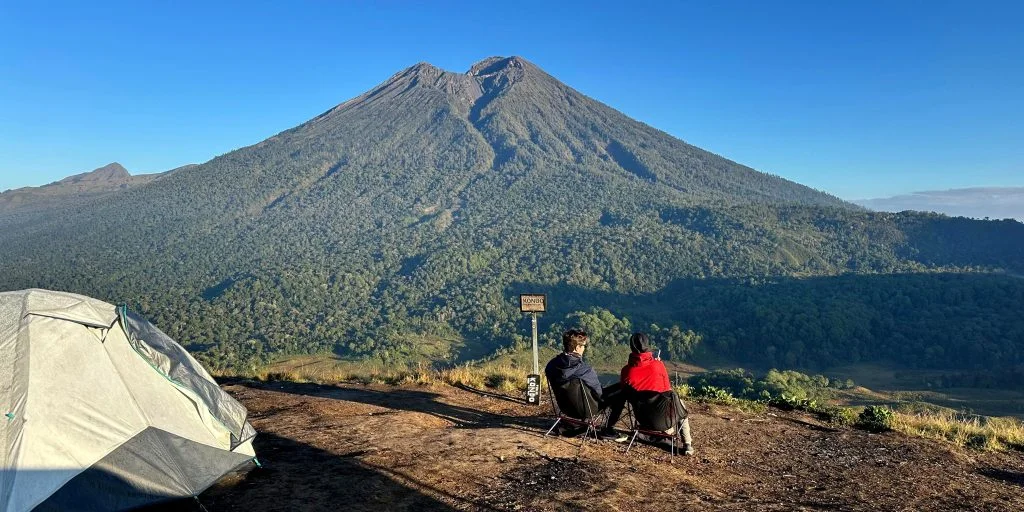
The two-day trek puts extraordinary pressure on the porters who make your adventure possible. In a normal three or four day itinerary, porters have reasonable time to carry heavy loads up, set up camp, cook meals, and rest. On the two-day version, they move at the same breakneck pace as the climbers, often carrying thirty kilograms of gear while wearing simple sandals. They reach the rim campsite, quickly prepare your dinner, then sleep for only a few hours before waking to pack everything for the early descent. Many experienced porters privately dislike two-day treks because the pace increases risk of injury and leaves zero room for weather delays. If you choose this package, tip your porters generously at the end. They earned every single rupiah, probably more than you realize.
The Hidden Costs of Going Too Fast
That cheap two-day price tag often hides expenses that show up later. First, you will likely need a massage or medical attention for muscle strain afterward—budget for that. Second, some climbers fail the summit attempt due to exhaustion or mild altitude sickness, then pay extra to have porters help them descend or arrange emergency transport. Third, the compressed schedule means any small delay, like a rain shower or a slow group member, jeopardizes the entire summit push. Longer treks have buffer time built in. The two-day trek has none. Also consider that many tour operators charge the same for two days as some competitors charge for three days with better food and equipment. Do your math carefully. Sometimes paying slightly more for an extra day gives you far better value and a much higher chance of success.
Making the Two-Day Trek Work for You
Despite the intensity, thousands of climbers complete the two-day Rinjani trek every year and walk away glowing with pride. The key is preparation and realistic expectations. Train with weighted stair climbs for at least a month beforehand. Arrive in Lombok already well-rested, not after an overnight bus journey. Eat a huge carb-heavy dinner the night before the trek starts. During the climb, force yourself to drink water even when you do not feel thirsty. On the summit push, set a steady pace and do not stop for more than a minute at a time—resting too long lets your muscles cool down and seize up. Most importantly, accept that you will be exhausted, sore, and possibly questioning your life choices around hour fourteen. That feeling when you finally see the summit marker? It makes every miserable step completely worth it.