
Managing a Larger Quantity
Glutathione is often supplied in larger quantities, such as a 1500mg format, because it is used as a reagent in enzyme assays, standard curves, cell culture experiments, and buffer preparations. Managing larger quantities requires thoughtful planning, storage, and documentation to preserve quality throughout use. VaultLabs supplies glutathione intended strictly for laboratory and in-vitro research. This article covers practical information for managing glutathione supply in UAE laboratories.
Planning Usage Across Projects
Before opening a container, researchers should consider how the material will be used. Estimating quantities for assays, standards, cell experiments, and controls helps plan weighing and storage. Because solutions are often prepared fresh, planning focuses on protecting the powder between uses. A clear usage plan reduces waste and ensures the material remains reliable for later experiments in a project.
Protecting the Powder
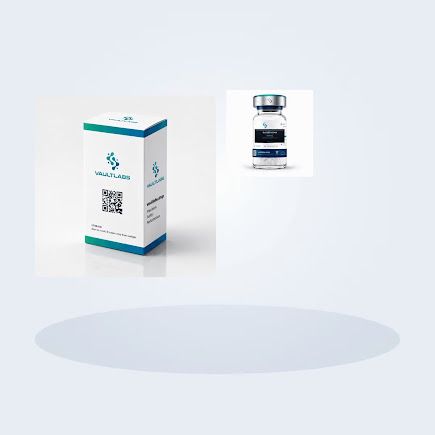
Repeatedly opening a large container exposes powder to air and moisture, which may affect quality over time. Some laboratories divide powder into smaller portions under dry conditions, so each portion can be opened as needed. Containers should be sealed tightly and stored in cool, dry conditions. Labelling portions with batch, date, and quantity supports traceability and organised inventory.
Accurate Weighing and Preparation
Accurate weighing is essential for preparing reliable solutions and standards. Researchers should use calibrated balances, work efficiently to limit exposure, and record weights carefully. Purity information from documentation should be considered when calculating concentrations. Checking thiol content after preparation can confirm that solutions contain the expected amount of reduced glutathione. Recording all calculations supports transparency.
Inventory and Traceability
Inventory records should track remaining quantity, storage location, portions prepared, solutions made, and usage dates. Linking each experiment to the specific batch and solution supports traceability. If results change unexpectedly, researchers can review whether material age, storage conditions, or preparation methods might be involved. In the UAE’s climate, recording storage temperatures and any deviations is particularly important.
Documentation and Record Retention
All information related to glutathione supply should be documented and retained, including order records, certificates of analysis, inventory logs, preparation records, and experimental data. Records should follow institutional retention policies and be backed up securely. Organised documentation supports audits, publications, and future research. It also helps colleagues use shared materials correctly and consistently.
Your Information Destination
Managing glutathione effectively involves planning usage, protecting powder, weighing and preparing carefully, maintaining inventory and traceability, and retaining thorough documentation. These practices help researchers make the most of larger quantities while preserving quality. Glutathione supplied as research material is for laboratory and in-vitro use only. For laboratories seeking Glutathione research material UAE supply backed by clear information, VaultLabs supports organised, responsible research.